Why Your Business Needs a Mobile App in 2026

AI Digital Link Team
April 9, 2026 · 5 min read
The retention gap websites can't close
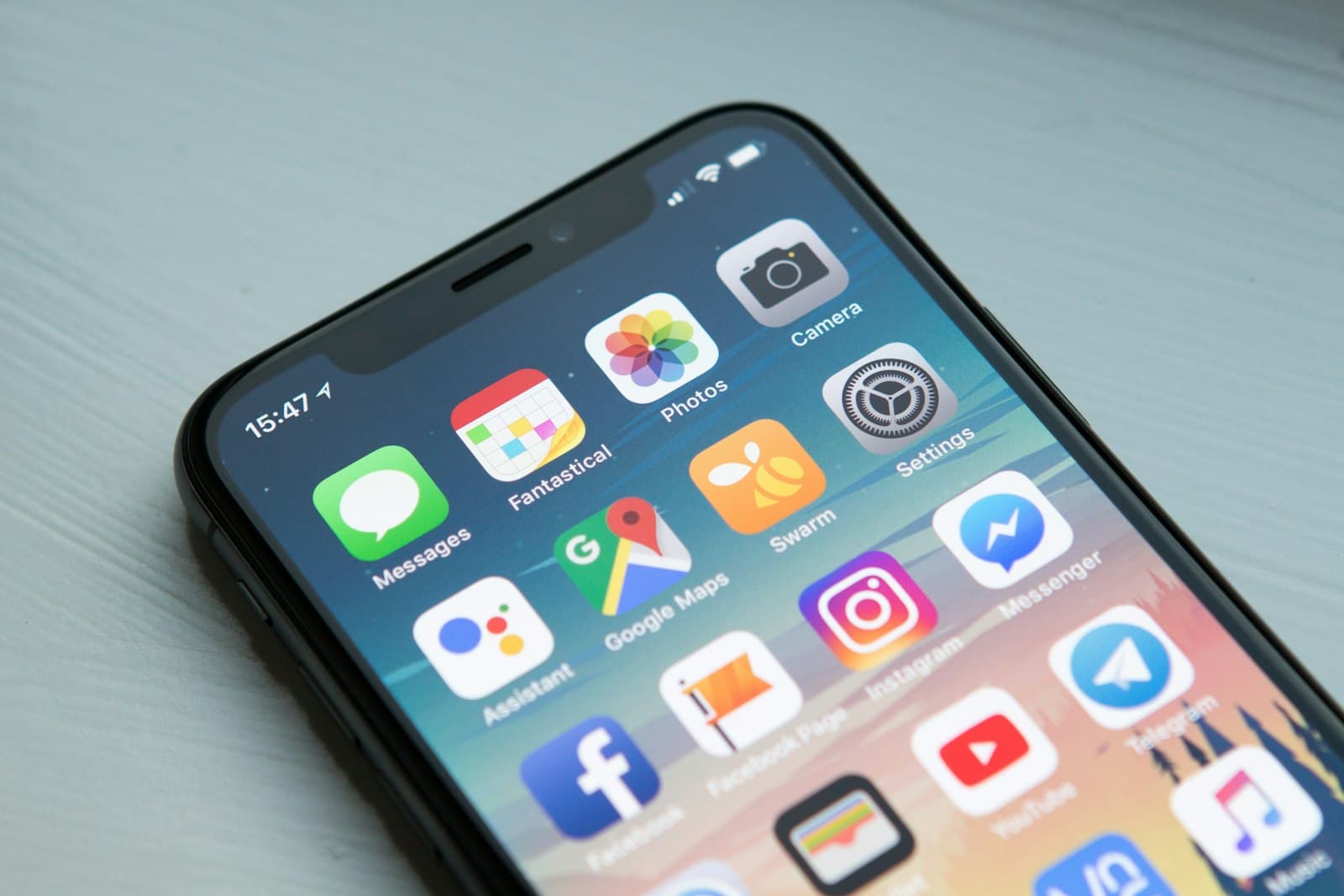
A mobile website can do almost everything an app can — except live on the home screen, send a push notification, or work reliably offline. For businesses that depend on repeat engagement — bookings, loyalty, delivery, marketplaces — that gap shows up directly in retention numbers.
Signs it's time to build one
We generally recommend a mobile app once a business has validated demand through its website or existing channels and sees a clear repeat-usage pattern — customers coming back weekly or monthly rather than once. Building an app before that validation exists usually means investing in retention infrastructure for a habit that hasn't formed yet.
It's also worth it when push notifications, location awareness, camera access or offline functionality are core to the product experience — none of which a website can reliably replicate.
Native, cross-platform, or hybrid?
For most businesses, a cross-platform build — one codebase shipping to both iOS and Android — is the right starting point. It's faster to ship and cheaper to maintain, and the performance gap with fully native apps has narrowed enough that users rarely notice for typical business apps.
We reserve fully native development for apps with heavy graphics, hardware integration, or performance requirements that genuinely need it — most product, service and ecommerce apps don't.
What a good launch actually requires
Shipping the app is the easy part. A successful launch needs a clear onboarding flow, a reason to open the app again within the first week, and a plan for App Store and Play Store optimization so the app is actually discoverable. We build all three into the project scope from day one rather than treating them as an afterthought post-launch.
AI Digital Link Team
Marketing & Development Specialists


Ready to grow your brand with senior-level talent?
Book a free 30-minute strategy call. We'll audit your current marketing and tech stack, then map out a plan to help you rank, convert and scale.