On-Page vs Off-Page SEO: What Actually Moves Rankings in 2026

AI Digital Link Team
June 2, 2026 · 6 min read
Two halves of the same engine
Every client conversation about SEO eventually lands on the same question: should we focus on the website itself, or on building authority around it? The honest answer is both — on-page and off-page SEO aren't competing strategies, they're two halves of the same engine.
On-page SEO covers everything within your control on the site: content quality, keyword targeting, page structure, internal linking, site speed and technical health. Off-page SEO covers everything that builds trust and authority from outside your site — backlinks, brand mentions, reviews and citations.
Where on-page SEO wins the argument
Search engines can't rank a page they can't understand. Clean heading structure, descriptive title tags, fast load times and content that actually answers the searcher's question are non-negotiable — no amount of off-page authority fixes a page that's technically broken or thin on substance.
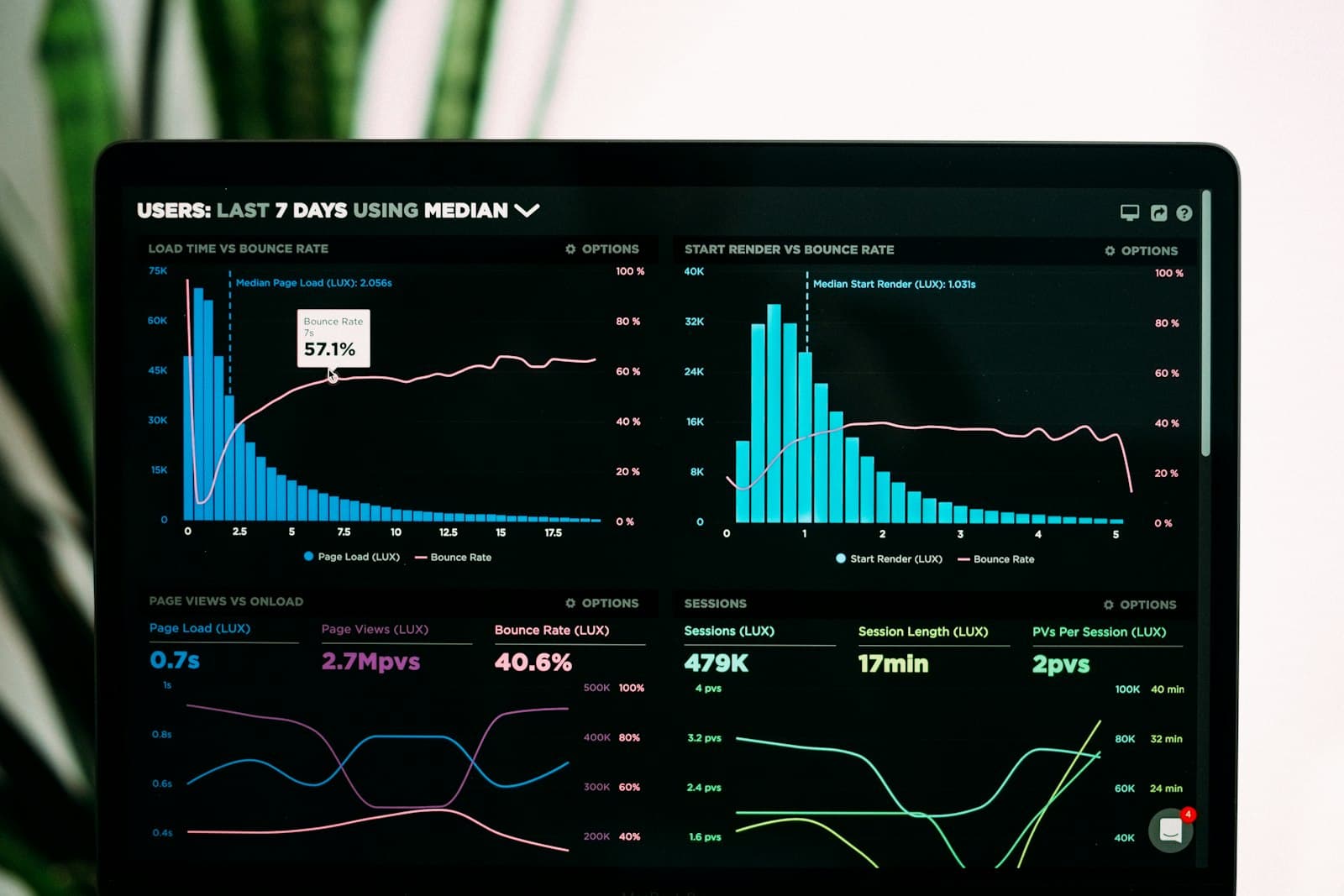
We start every SEO engagement with a technical and content audit: crawl errors, duplicate content, missing metadata, slow Core Web Vitals, and gaps between what a page says and what the target keyword actually needs. It's unglamorous work, but it's the foundation everything else is built on.
Where off-page SEO takes over
Once the on-page foundation is solid, off-page signals decide how far you climb. Backlinks from relevant, trustworthy sites remain one of the strongest ranking signals — but the quality bar has risen sharply. A handful of links from genuinely authoritative, topically relevant sources now outperforms dozens of low-quality directory links.
Off-page SEO in 2026 also means managing your presence beyond traditional links: Google Business Profile optimization for local search, consistent citations across directories, and a review profile that signals trust to both users and algorithms.
How we sequence it for clients
For most businesses we work with, the sequence is: fix technical issues first, strengthen on-page content second, then invest in off-page authority building once the site is ready to convert the traffic it earns. Skipping straight to link building on a technically weak site wastes budget — you're sending authority to a leaky bucket.
The result, done properly, compounds. Rankings climb steadily rather than spiking and dropping, and the traffic that arrives actually converts because the page was built to answer the query in the first place.
AI Digital Link Team
Marketing & Development Specialists

Ready to grow your brand with senior-level talent?
Book a free 30-minute strategy call. We'll audit your current marketing and tech stack, then map out a plan to help you rank, convert and scale.